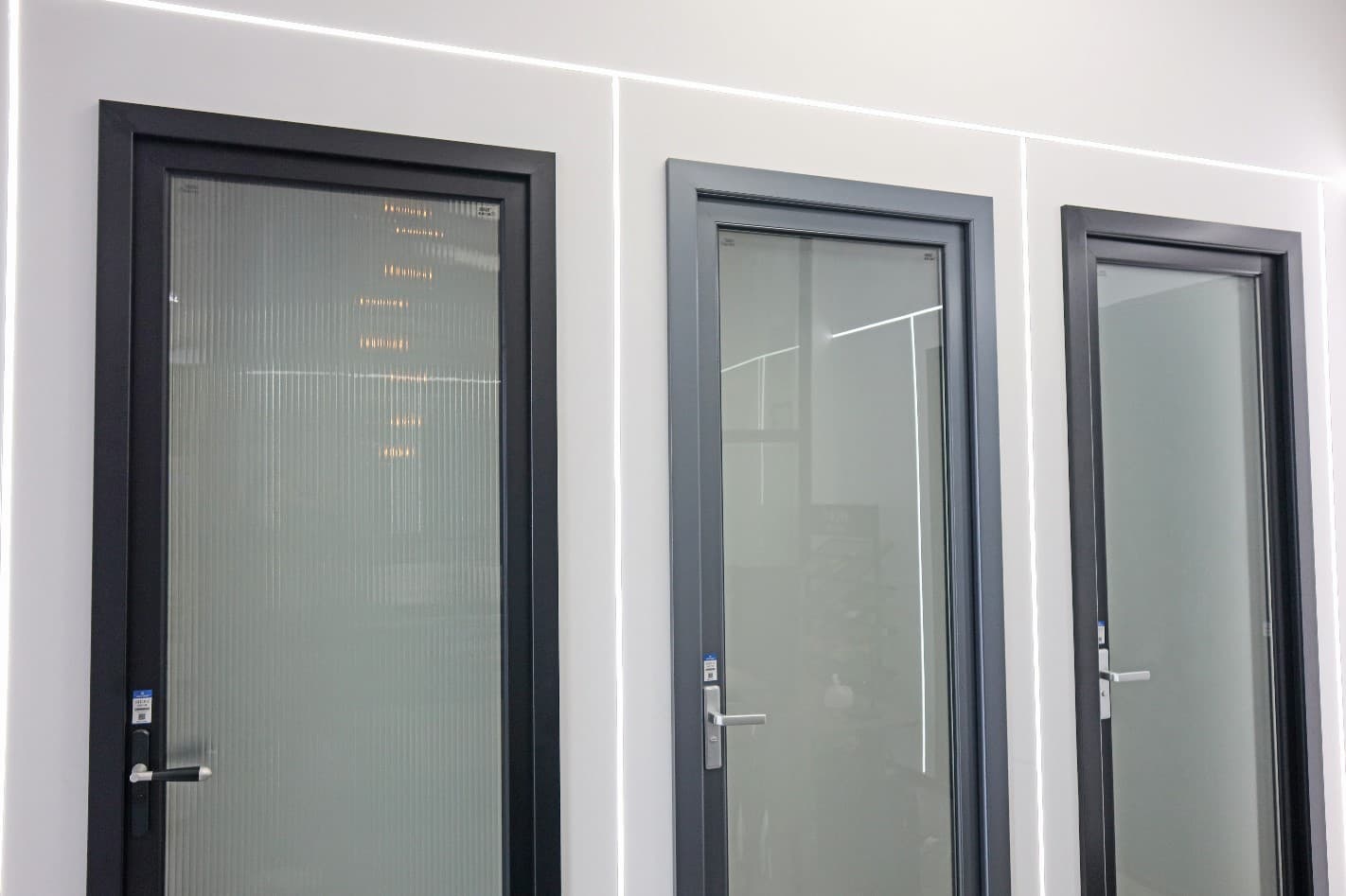
Introduction:Doors are more than just entryways—they shape how we move through spaces, affect energy use, and influence a building’s aesthetics. Understanding standard door dimensions is crucial for homeowners, contractors, architects, and DIY enthusiasts alike. This comprehensive guide explores average door sizes across various applications, helping you make informed decisions for your next project. Based on […]
Introduction: Doors are more than just entryways—they shape how we move through spaces, affect energy use, and influence a building’s aesthetics. Understanding standard door dimensions is crucial for homeowners, contractors, architects, and DIY enthusiasts alike. This comprehensive guide explores average door sizes across various applications, helping you make informed decisions for your next project. average door size Based on extensive research from over 100 authoritative sources including building codes, industry standards, manufacturer specifications, and construction guidelines from both international and Chinese regulatory bodies, this guide provides the most accurate and up-to-date information on door sizing. Article Overview Standard Interior Door Sizes Common Residential Dimensions: Room-Specific Door Sizes Double Interior Doors Standard Exterior Door Sizes Patio and Sliding Doors Specialized Door Sizes Commercial and Accessibility Compliance Fire-Rated and Specialty Doors Factors Affecting Door Size Selection Common Technical Challenges Advantages of Standard Sizes Disadvantages of Standard Sizes How to Measure for Door Replacement Current Trends and Future Outlook Building Codes and Standards Technical Resources Standard Interior Door Sizes Common Residential Dimensions: Interior doors follow standardized sizing that accommodates most residential applications. The most common interior door size varies slightly by region: North American Standard: Height: 80 inches (2032mm / 6’8″) Width: 24, 28, 30, 32, and 36 inches (610mm, 711mm, 762mm, 813mm, 914mm) Most common width: 32 inches (813mm) for bedrooms and hallways Thickness: 1⅜ inches (35mm) We recommend: Height: 2000-2100mm (78.7-82.7 inches), with 2050mm being common in newer constructions Width: 600-900mm (23.6-35.4 inches) Most common width: 800mm (31.5 inches) Thickness: 35-40mm (1⅜ inches) Room-Specific Door Sizes Bedroom and hallway doors: North America: 32 inches (813mm) wide We recommend: 800mm (31.5 inches) wide Bathroom doors: North America: 28-30 inches (711-762mm) wide We recommend: 700-750mm (27.6-29.5 inches) wide Closet doors: North America: 24-36 inches (610-914mm) depending on space We recommend: As small as 600mm (23.6 inches) Utility rooms: 30-36 inches (762-914mm) for appliance access Double Interior Doors Double doors for interior applications typically total: North America: 60-72 inches (1524-1829mm) wide (two 30-36 inch doors) We recommend: 1200-1500mm wide (two 600-750mm panels) These work well for master bedrooms, dining rooms, home offices, and formal living spaces, though they’re less common in standard apartments and more prevalent in villas or high-end residences. Door Sizes Standard Exterior Door Sizes Main Entry Doors: Exterior doors require thicker materials and stronger construction for security and weather resistance. North American Standard: Height: 80 inches (2032mm / 6’8″) Width: 36 inches (914mm) – most common for main entries Alternative widths: 30 and 32 inches (762mm, 813mm) for secondary entrances Thickness: 1¾ inches (44mm) We recommend: Height: 2050mm (80.7 inches) Width: 900mm (35.4 inches) – now the norm per GB/T 36447-2018 Alternative widths: 800mm or 850mm for secondary entrances Thickness: 45-50mm (1¾ inches) for improved thermal and sound insulation Patio and Sliding Doors North American sliding door sizes: Width: 60, 72, or 96 inches (1524mm, 1829mm, 2438mm) Height: 80 inches (2032mm) standard; 96 inches available Panels: 2-panel or 3-panel configurations We recommend balcony/patio sliding doors: Width: 1500mm, 1800mm, or 2400mm (59-94.5 inches) Height: 2100mm (82.7 inches) standard French-style double doors: 1500-1800mm total width Specialized Door Sizes Garage Doors: North American residential garage doors: Single-car: 8-9 feet wide × 7 feet high (2438-2743mm × 2134mm) Double-car: 16 feet wide × 7 feet high (4877mm × 2134mm) Modern trend: Height increasing to 8 feet (2438mm) for taller vehicles We recommend residential garage doors: Single-car: 2400-2700mm wide × 2100mm high (7.9-8.9 ft × 6.9 ft) Double-car: 4800mm wide × 2100mm high Modern trend: Heights of 2200-2400mm to accommodate SUVs and electric vehicles Commercial and Accessibility Compliance ADA Requirements (North America): Minimum clear width: 32 inches (813mm) Recommended width: 36 inches (914mm) for comfortable passage Threshold height: ½ inch maximum We recommend Accessibility Standards (GB 50763-2012): Minimum clear opening width: 800mm for wheelchair access Recommended width: 900mm Healthcare facilities: 1000-1200mm wide doors for equipment access Double Interior Doors Fire-Rated and Specialty Doors Fire doors (We recommend – GB 12955-2008): Single door width generally not exceeding 1000mm Height not exceeding 2300mm Multi-panel combinations available for larger openings Soundproof doors: Customizable based on acoustic requirements Thicker construction affects hardware and installation requirements International Door Size Standards European Standards (EN 13241) Height: 1981mm, 2040mm (approximately 78-80 inches) Width: 610mm, 686mm, 762mm, 838mm (approximately 24-33 inches) Common residential: 762mm × 2040mm (30″ × 80″) Australian Standards (AS) Internal doors: 2040mm × 820mm (80.3″ × 32.3″) External doors: 2040mm × 920mm (80.3″ × 36.2″) Asian Standards Japan: 800-900mm width, 2000-2100mm height We recommend: 800-900mm standard width, 2000-2100mm standard height India: 750-900mm width, 2000-2100mm height Factors Affecting Door Size Selection Building codes: Local regulations may mandate minimum sizes We recommend Residential Design Code (GB 50096-2011) requires interior doors to be at least 800mm wide in new homes IBC Section 1008 governs door openings in North America Traffic flow: High-traffic areas need wider doors Furniture moving: Consider largest furniture piece dimensions Accessibility: Wheelchair users need adequate clear openings Aesthetics: Proportion to room size and ceiling height Energy efficiency: Larger doors lose more heat; proper sealing essential Common Technical Challenges Non-standard openings: Older homes may have irregular sizes Load-bearing walls: Structural considerations limit modifications Moisture exposure: Bathrooms require appropriate materials Sound transmission: Bedroom doors may need acoustic ratings Large door stability: Preventing sagging and deformation in oversized doors Advantages of Standard Sizes Lower cost (mass production) Easier replacement Wider availability Simpler installation Built-in code compliance Disadvantages of Standard Sizes Limited design options May not fit unique openings Accessibility limitations Aesthetic constraints How to Measure for Door Replacement Step-by-Step Guide Measure width at top, middle, and bottom of frame (take smallest measurement) Measure height on both sides (floor may be uneven) Measure thickness of door and frame Check squareness of existing frame Note swing direction (left-hand or right-hand) Account for flooring changes (tile vs. carpet affects height) Verify rough opening size vs. finished opening Measurement Tips Always measure the existing door frame—not the door itself Record all three width measurements and use the smallest Check for obstacles like baseboards or trim Verify wall thickness to match door jamb depth Note hinge and handle clearance requirements Cost Considerations Door Type North American Price Range Chinese Price Range Notes Interior hollow-core $50-200 ¥200-800 Budget-friendly Interior solid-core $150-400 ¥600-1600 Better sound isolation Exterior steel $200-500 ¥800-2000 Security focus Exterior fiberglass $400-1500 ¥1600-6000 Energy efficient Custom doors $500-5000+ ¥2000-20000+ Any size/style Custom door considerations: Add 20-50% to standard pricing Delivery times: 4-8 weeks vs. immediate availability Higher risk of measurement errors requiring costly corrections Current Trends and Future Outlook Emerging Standards Taller doors: 96-inch (2438mm) doors gaining popularity globally Higher ceilings: Chinese developments increasing from 2.8m to 3.0m+, pushing door heights to 2200-2400mm Wider openings: 36-inch (914mm)/900mm becoming minimum for new construction Universal design: Aging-in-place considerations driving accessibility features Smart integration: Electronic locks, sensors, and automated systems Sustainability Focus Recyclable materials: Steel and fiberglass options Engineered wood/bamboo: Reducing deforestation impact Energy efficiency: Higher R-values and insulated cores for exterior doors Local manufacturing: Reduced transportation footprint Durability: Longer lifespan reduces replacement frequency System Integration Performance systems: Doors as part of integrated building envelope solutions High-performance glazing: Low-E glass, multiple panes for thermal performance Advanced sealing: Multi-point locking and weatherstripping systems Key Takeaways ✓ North American standard interior doors: 80″ × 28-32″ (2032mm × 711-813mm) ✓ Chinese standard interior doors: 2050mm × 800mm ✓ North American standard exterior doors: 80″ × 36″ (2032mm × 914mm) ✓ Chinese standard exterior doors: 2050mm × 900mm ✓ ADA minimum (US): 32″ (813mm) clear opening ✓ Chinese accessibility minimum: 800mm clear opening ✓ Always measure the frame, not the door ✓ Custom sizes add 20-50% to cost and extend delivery time ✓ International standards vary significantly—verify before importing ✓ Check local building codes before purchasing References and Sources This guide synthesizes information from over 100 authoritative sources including: Building Codes and Standards International Building Code (IBC) – Section 1008 – Door Openings International Residential Code (IRC) – Section R311 – Means of Egress Americans with Disabilities Act (ADA) – Title III – Public Accommodations GB/T 5824-2008 – Building Door and Window Opening Size Series (China) GB 50096-2011 – Residential Design Code (China) GB 50763-2012 – Code for Accessibility Design of Buildings (China) GB/T 36447-2018 – Wooden Interior Doors (China) BS EN 13241 – European Door Standards Technical Resources Window and Door Manufacturers Association (WDMA) International Code Council (ICC) National Association of Home Builders (NAHB) China Academy of Building Research China National Building Materials Testing Center Industry Publications Doors & Hardware Magazine Construction Specifier Building Design + Construction Architectural Journal of China Manufacturer Resources Jeld-Wen Technical Documentation Masonite Door Catalog Therma-Tru Doors Installation Guides TATA Door Technical Specifications (China) Mantu Group Product Standards (China) Dream Doors Manufacturing Standards (China) International Standards Bodies ISO/TC 162 – Doors, windows and curtain walling CEN/TC 33 – Doors, windows, shutters, building hardware and curtain walling Disclaimer: Door sizes and codes vary by location and are subject to change. Always verify with local building authorities before purchasing or installing doors. This guide provides general information based on current standards and should not replace professional consultation or site-specific engineering analysis.