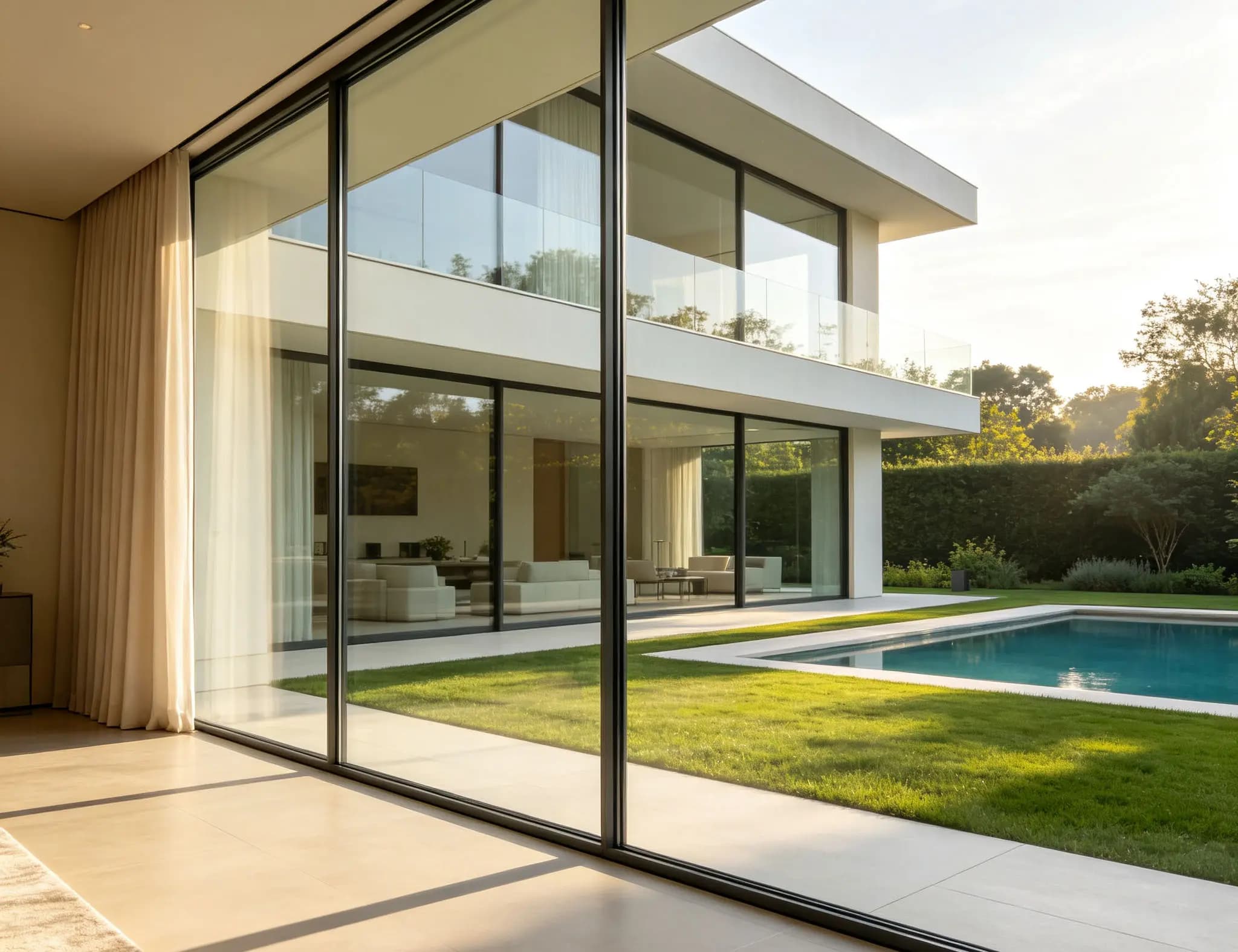
Energy Efficient Aluminum Windows for LEED Projects: How to Meet 2026 Sustainability Standards Through Strategic Sourcing
The "Green" Envelope: More Than Just Glass
In 2026, the building envelope is no longer just a barrier against the elements; it is a critical asset in the carbon math of modern real estate. For developers pursuing LEED Gold or Platinum, energy efficient aluminum windows for LEED projects represent the single largest variable in operational energy performance. However, there is a recurring pain point: sourcing windows that promise "high efficiency" but fail the actual onsite thermal audit.
The disconnect usually lies in the difference between lab‑tested samples and real‑world production. To bridge this, you need more than a supplier; you need a strategic partner who understands the nuance of thermal break aluminum window energy ratings.
The 2026 Metric: Decoding U‑Value and Thermal Breaks
Meeting LEED certification window requirements 2026 starts with the U‑value. If your project is aiming for the highest tier of energy credits, the standard thermal breaks of five years ago are no longer sufficient.
For commercial high‑rise projects targeting high‑score LEED v5 certification, a whole‑window U‑value ≤ 1.1 W/m²K is a common practical design goal. However, LEED v5 does not set this as a mandatory requirement; points are awarded based on whole‑building energy simulation. To reach such performance levels, aluminum systems often adopt an “Ultra‑Thermal” strategy with multi‑chamber polyamide strips wider than 35 mm. Aerogel‑infused cavities are an optional high‑end custom upgrade offered by some leading Foshan manufacturers to further reduce frame thermal transmittance, though aerogel infill is not required to hit this U‑value target. Once a niche aerospace‑grade material, aerogel is now available as a premium custom option for projects pursuing LEED compliance.
Strategic Sourcing: The EPD and Carbon Reality
Sustainable aluminum window sourcing is no longer just about the energy the window saves, but the carbon embodied within the finished product. LEED v4.1 and the upcoming v5 prioritize "Embodied Carbon."
To qualify for LEED Materials and Resources (MR) credits, project submissions require EPD documentation for finished building products. In practice, many available EPDs only cover raw aluminum ingot, rather than the complete assembled window. Full EPDs for finished window assemblies are therefore a prerequisite when pursuing MR‑category points.
Future‑Proofing Your Development
Ultimately, investing in energy efficient aluminum windows for LEED projects is about protecting asset value. As carbon taxes and energy disclosure laws tighten, a building with inferior thermal performance will face a "brown discount" in the market.
By focusing on sustainable aluminum window sourcing today, you ensure that your project remains competitive through 2030 and beyond. It is not just a procurement choice; it is an insurance policy against rising energy costs.
FAQ: Professional Procurement Insights
Q: Do triple‑glazed units always help with LEED energy points?
A: Not necessarily. While they lower the U‑value, they increase the weight significantly, requiring heavy‑duty hardware that can increase the overall cost by 15‑20%. Sometimes, a high‑performance double‑glazed unit with a superior thermal break aluminum window energy rating provides a better ROI.
Q: What is the most common reason for LEED window rejection?
A: Documentation mismatch. Often, the tested U‑value in the EPD is based on a standard "sample size," but the actual project windows are oversized, leading to a higher (worse) actual U‑value. We recommend demanding a project‑specific thermal simulation before signing the purchase contract.
Q: How do 2026 standards handle recycled aluminum?
A: The industry is moving toward "Circular Economy" credits. Top‑tier factories are now aiming for 75% post‑consumer recycled content, which is a major score‑booster for LEED certification.